Three Sankofa pilots operational in Tanzania
A chance meeting in October 2025 became a classroom of 95 children. Ten months on, three pilots are running across rural Tanzania, teaching 185 pupils with the resources already at hand.
Honda, Udilo Mufindi and Mdabulo, Tanzania
- Pilots operational
- Three — Honda, Udilo Mufindi, Mdabulo
- Pupils engaged
- 185 across the three sites
- Honda enrolment
- 92, after 10 months
- Partner
- Rural Development Organization (RDO)
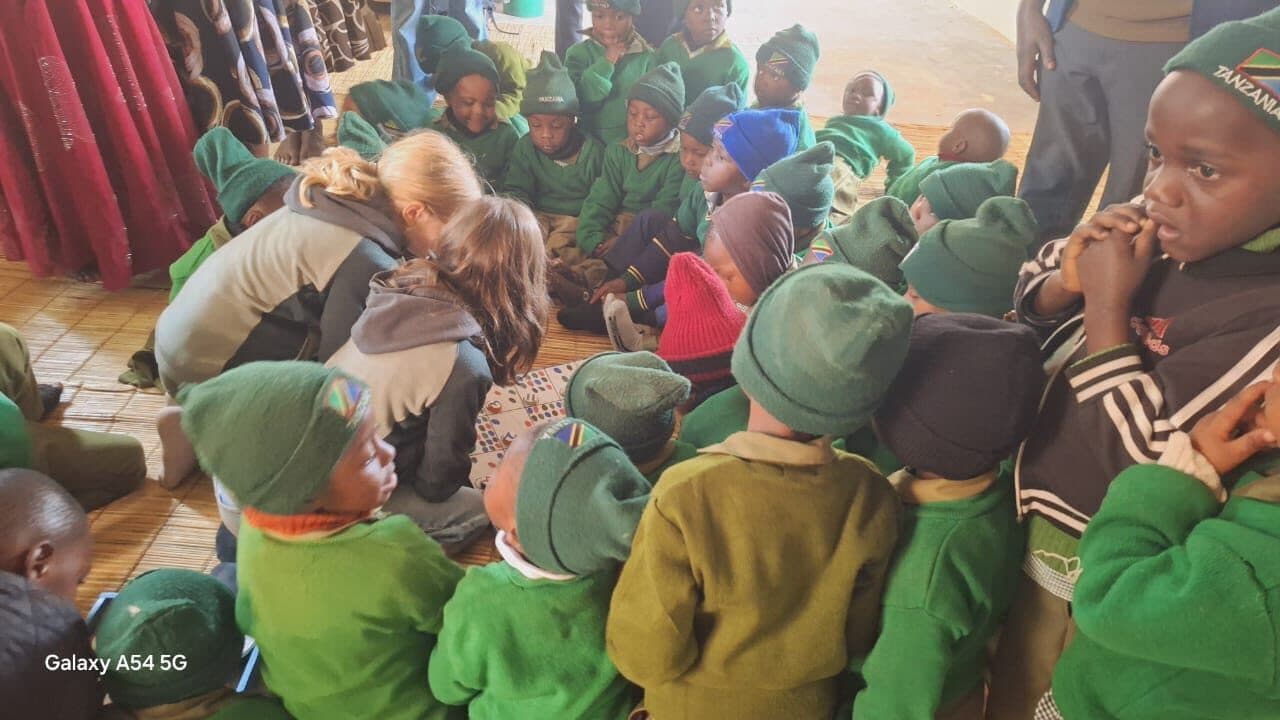
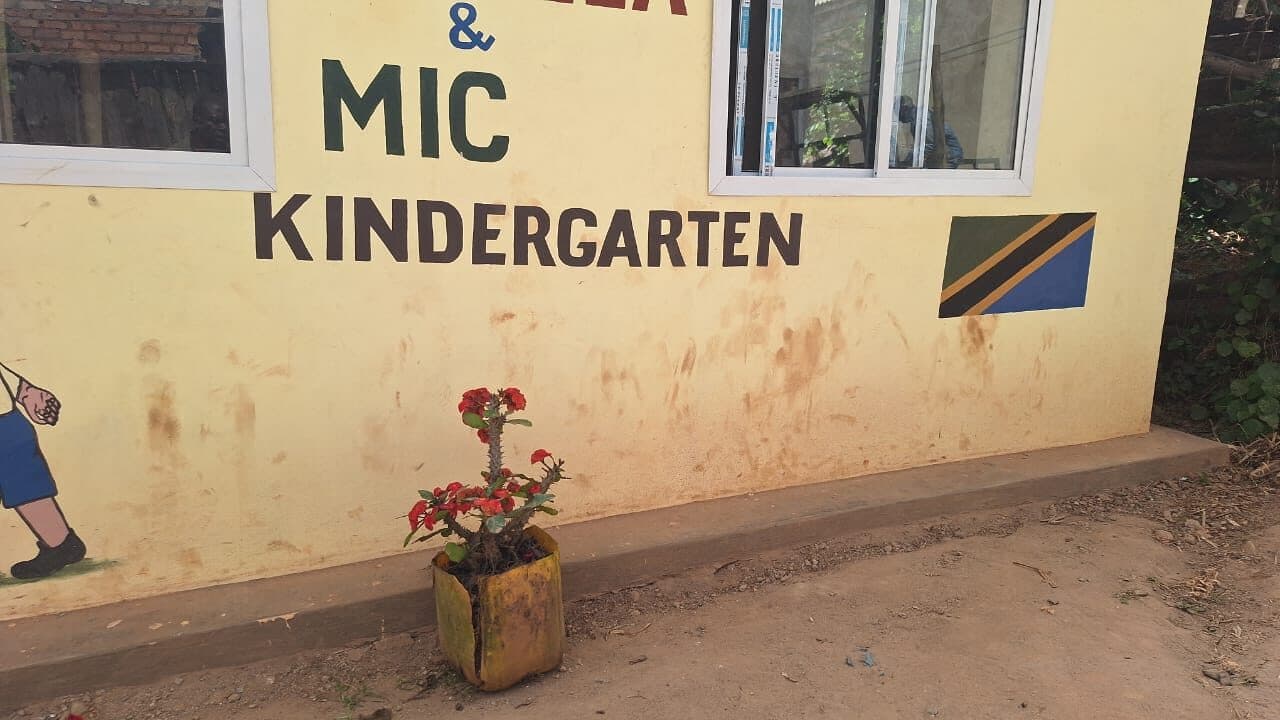
Sankofa Honda came into existence through a serendipitous meeting with Erika Bonifasi in early October 2025. A few weeks later, 95 children were regularly attending classes in this underserved rural community, 80 km south of Dar es Salaam.
Through the leadership of Fidelis Filipatali, Project Coordinator for the Rural Development Organization (RDO), Honda was quickly followed by two more. Sankofa Udilo Mufindi opened with Isaya Kalinga in November 2025, and, more recently, Sankofa Mdabulo RDO with Fredi Lutego in February 2026.
The three pilots
| Pilot | Opened | Led with |
|---|---|---|
| Sankofa Honda | October 2025 | Erika Bonifasi |
| Sankofa Udilo Mufindi | November 2025 | Isaya Kalinga |
| Sankofa Mdabulo RDO | February 2026 | Fredi Lutego |
Only the resources at hand
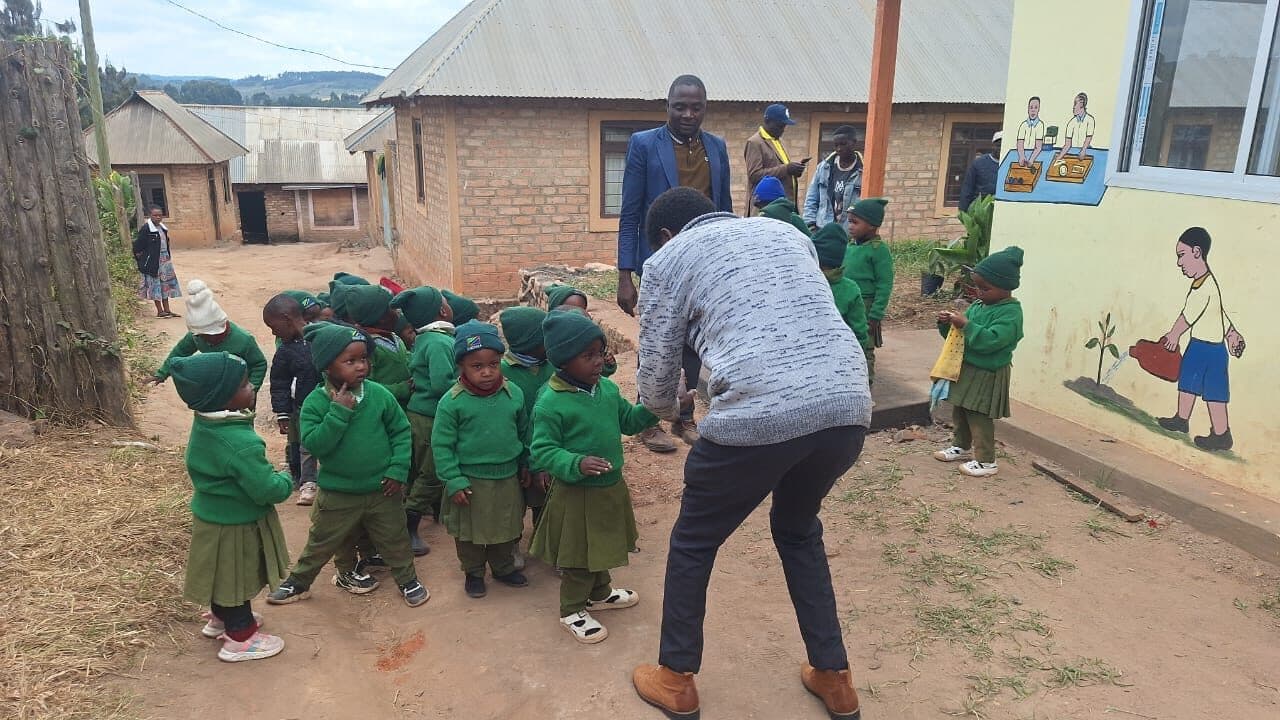
Rahabu Filipatali, wife of Fidelis and a teacher in the Montessori school system, played a key role in developing these initiatives. Today they engage 185 pupils using only the resources at hand, supplemented by a few passive educational tools bought with the proceeds of honey sales from RDO.
“185 pupils, taught with what the community already has — and a few tools paid for by selling honey.”
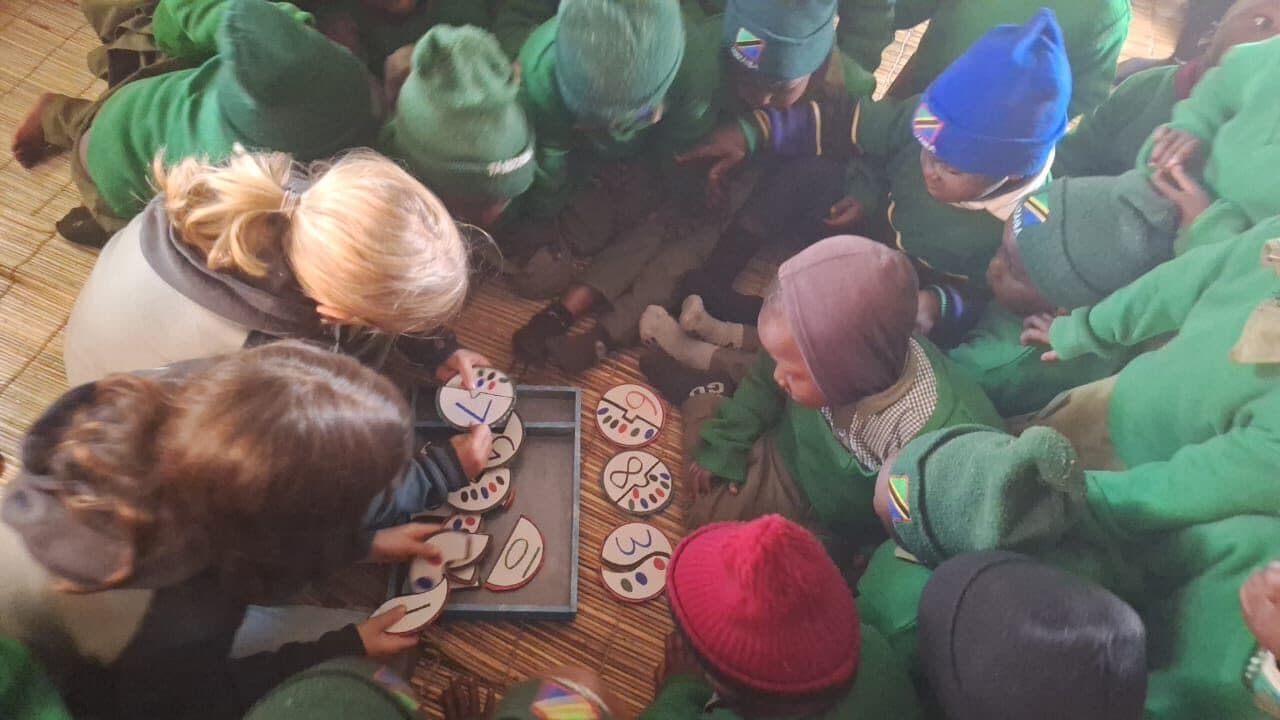
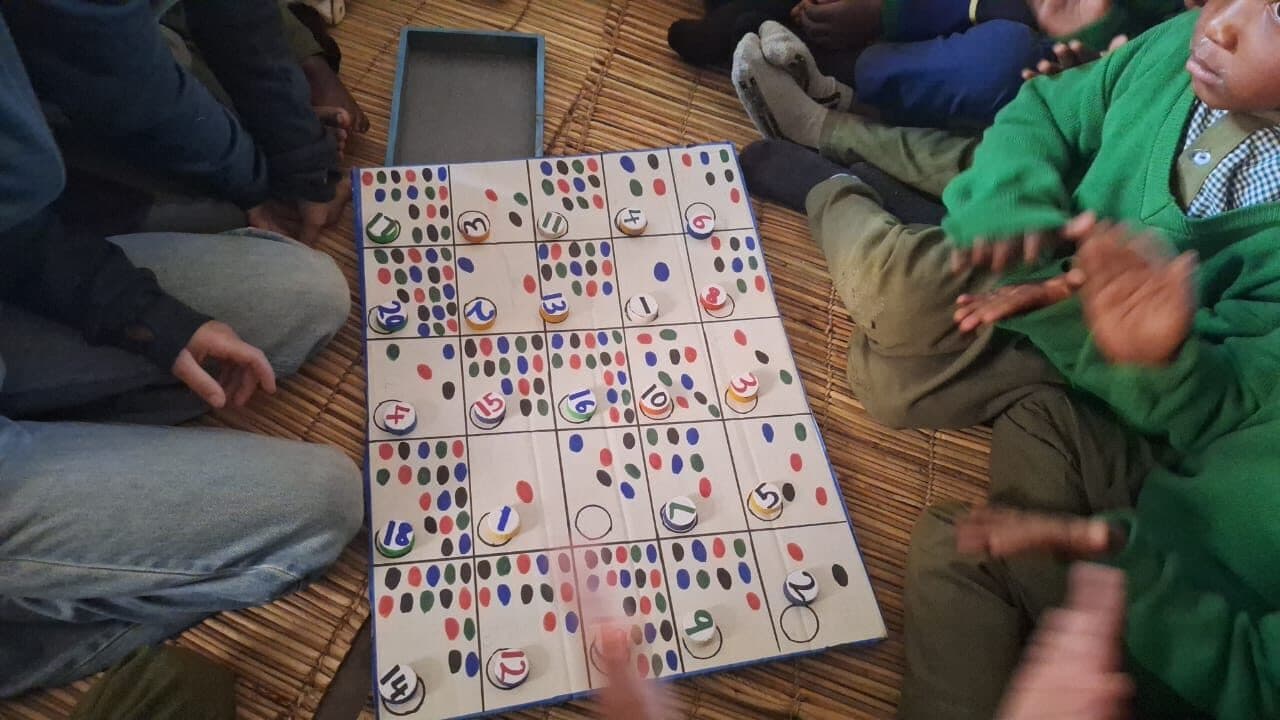
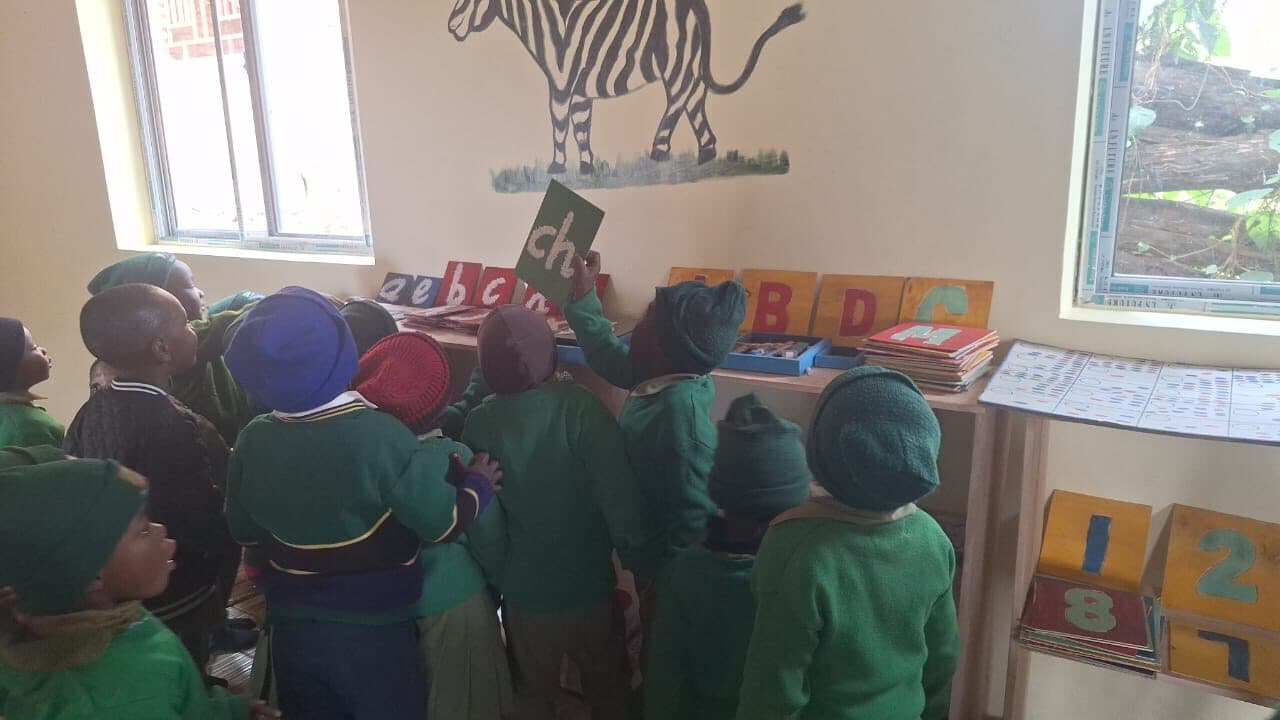
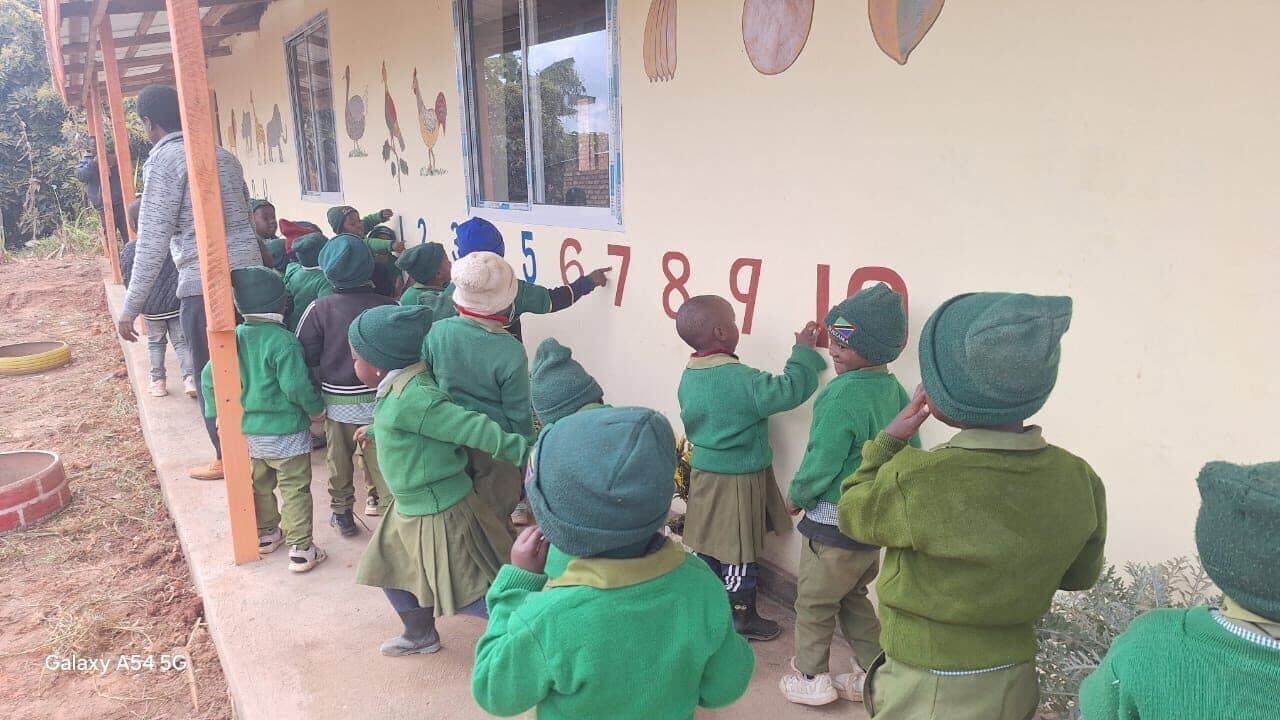
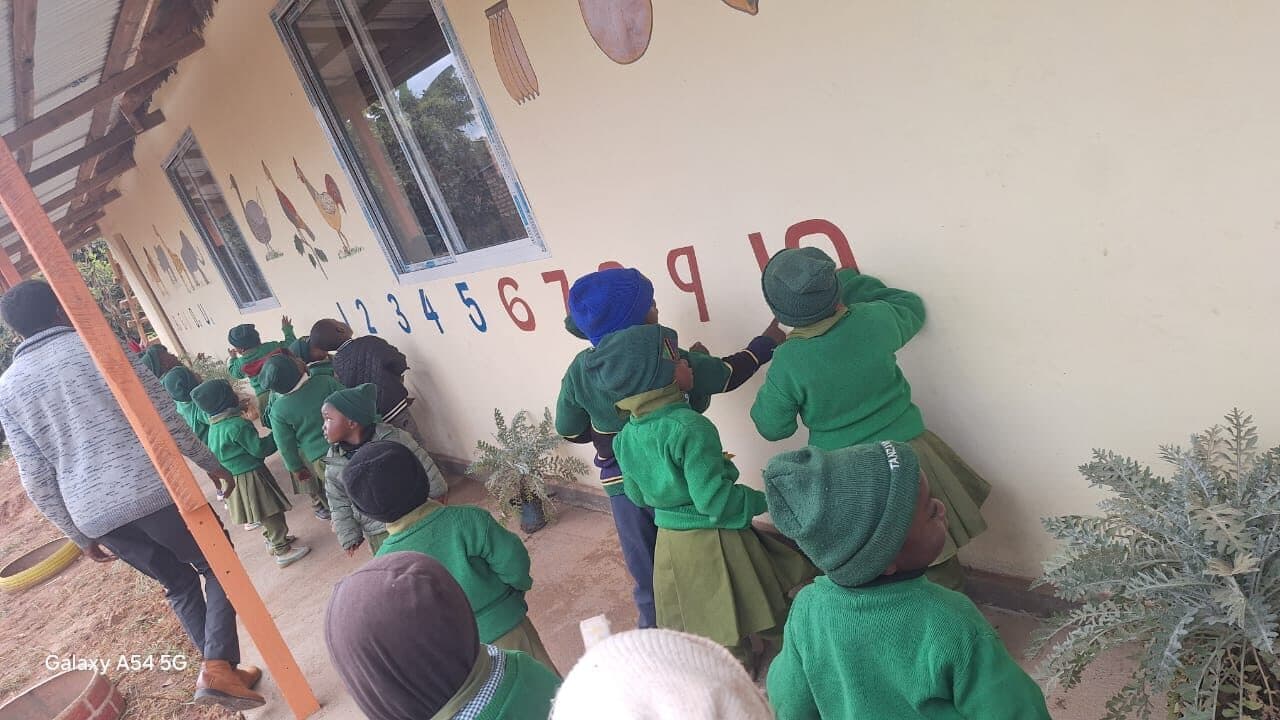
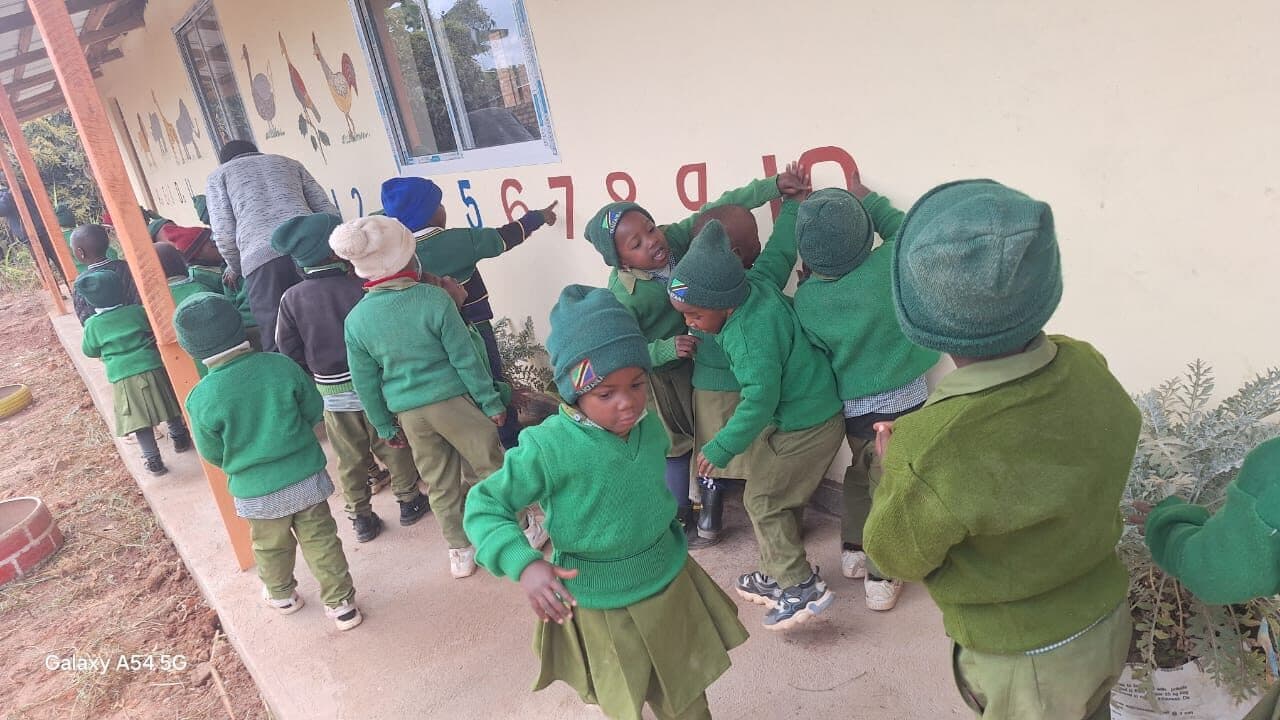
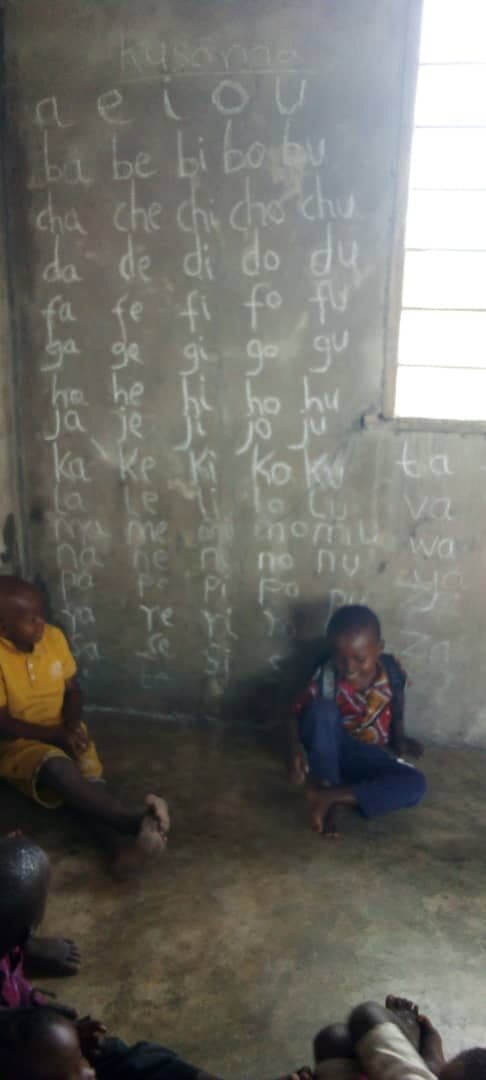
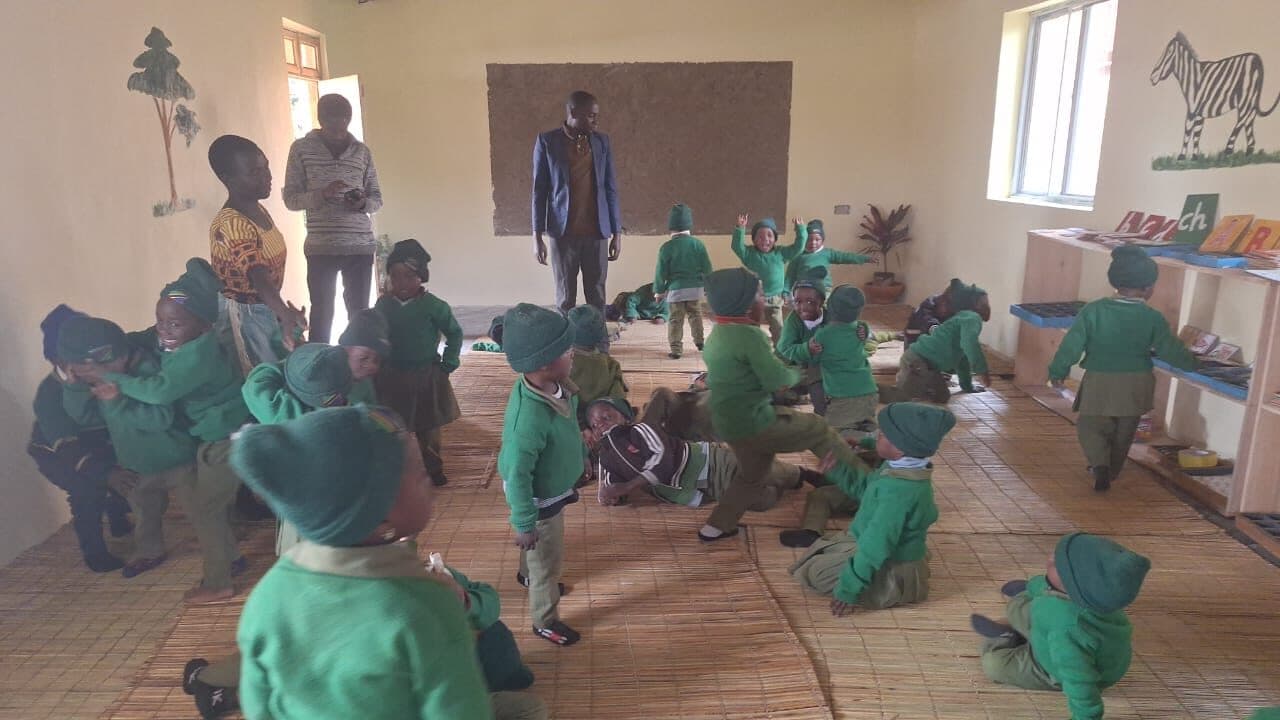
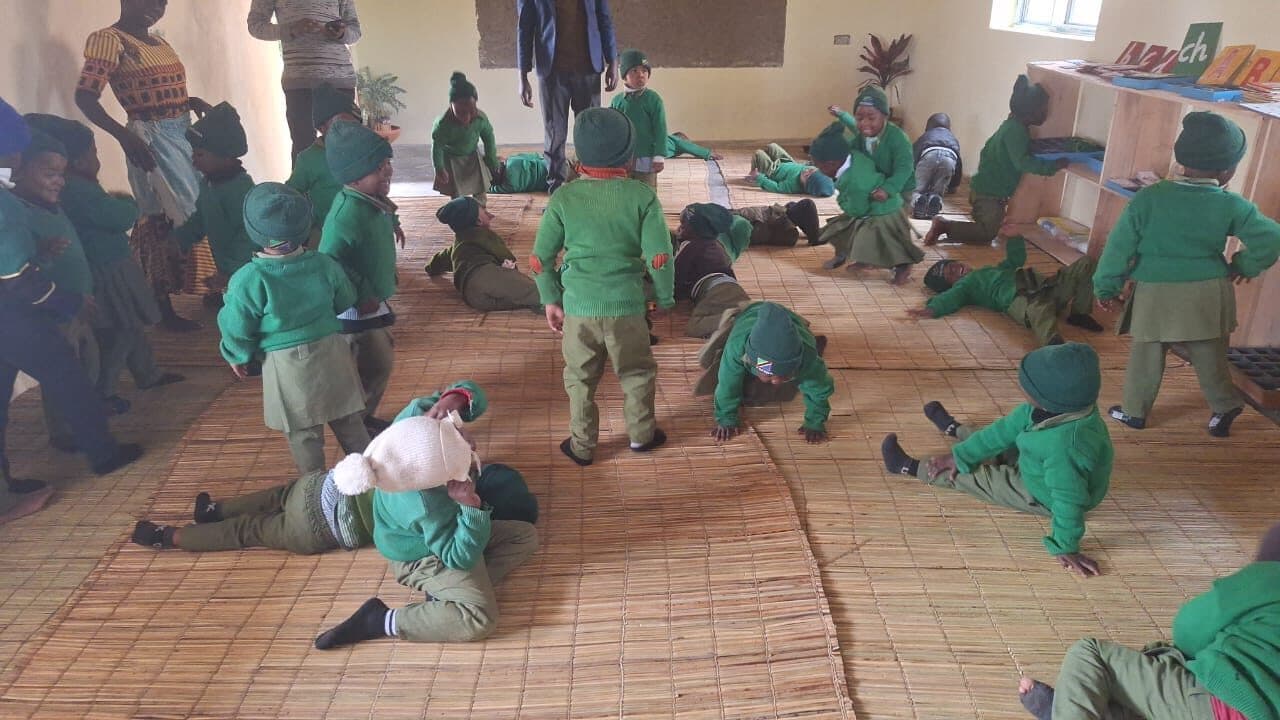
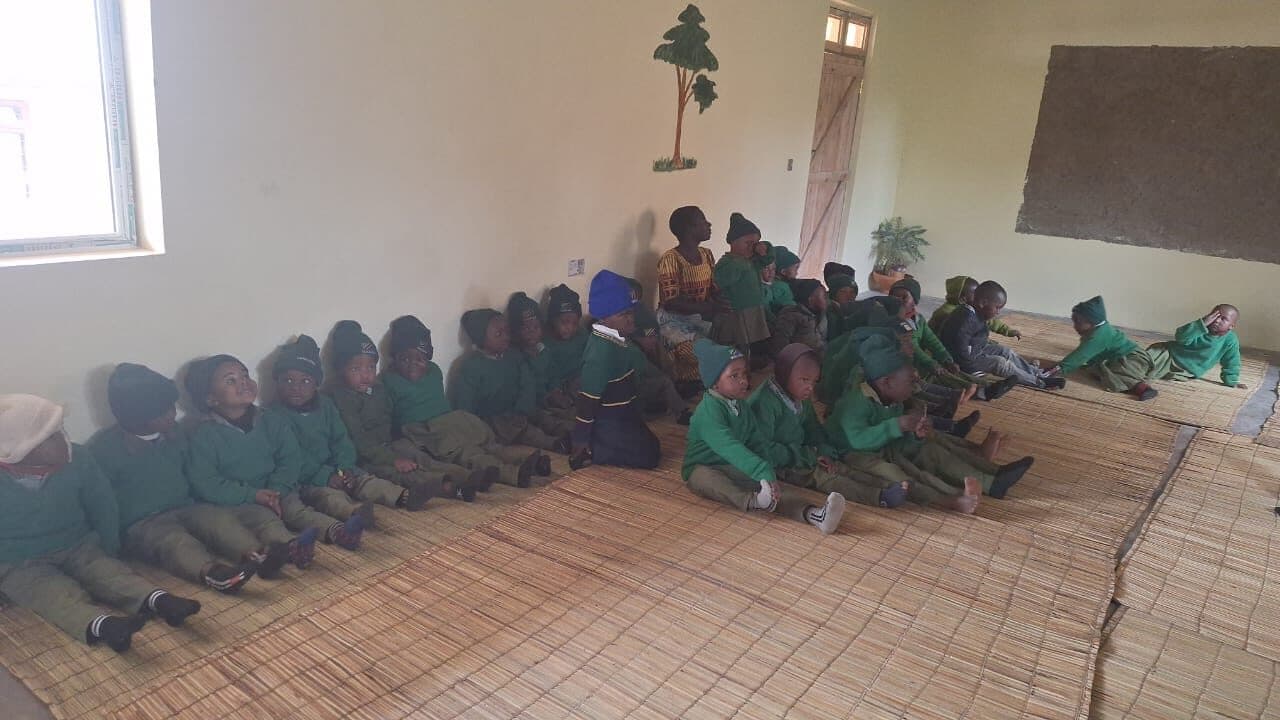
What that looks like in practice: number and letter cards laid out on a woven floor mat, a hand-drawn counting board, painted digits running along a veranda wall for children to reach up and touch, a syllable chart chalked straight onto bare concrete. Nothing that needs a supplier, a budget line or mains electricity.
Learning through movement and the day itself
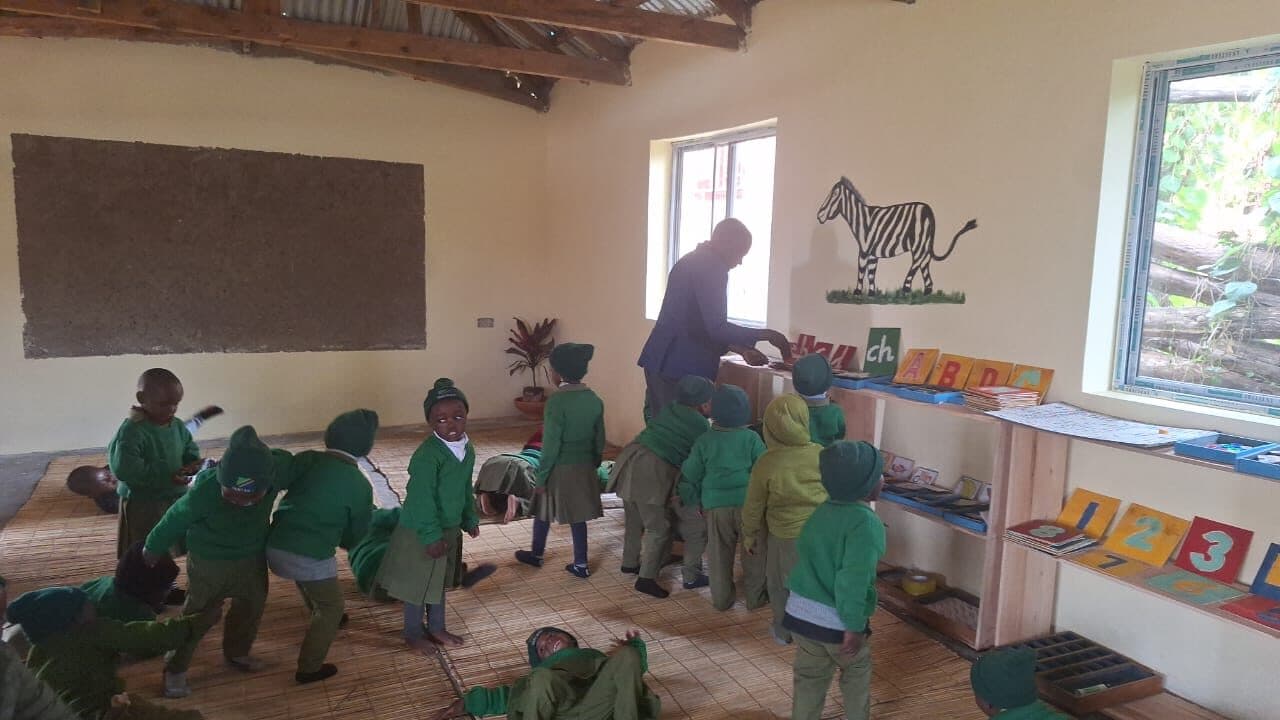
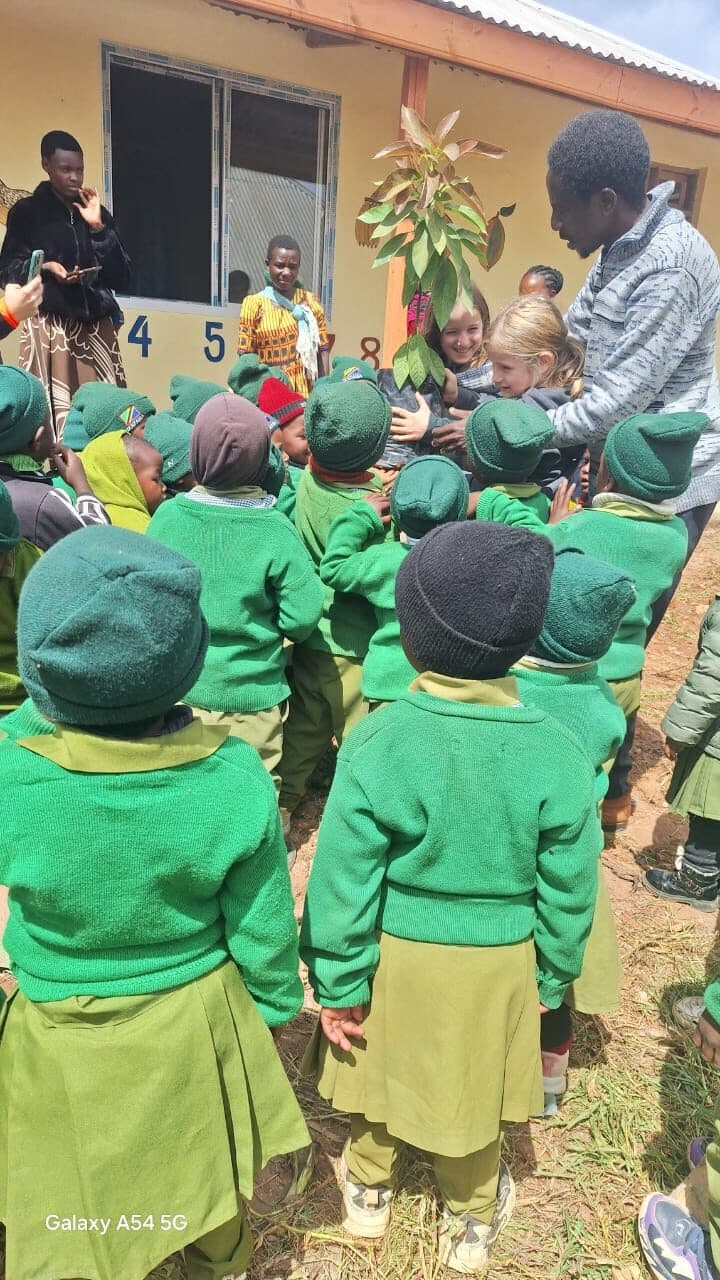
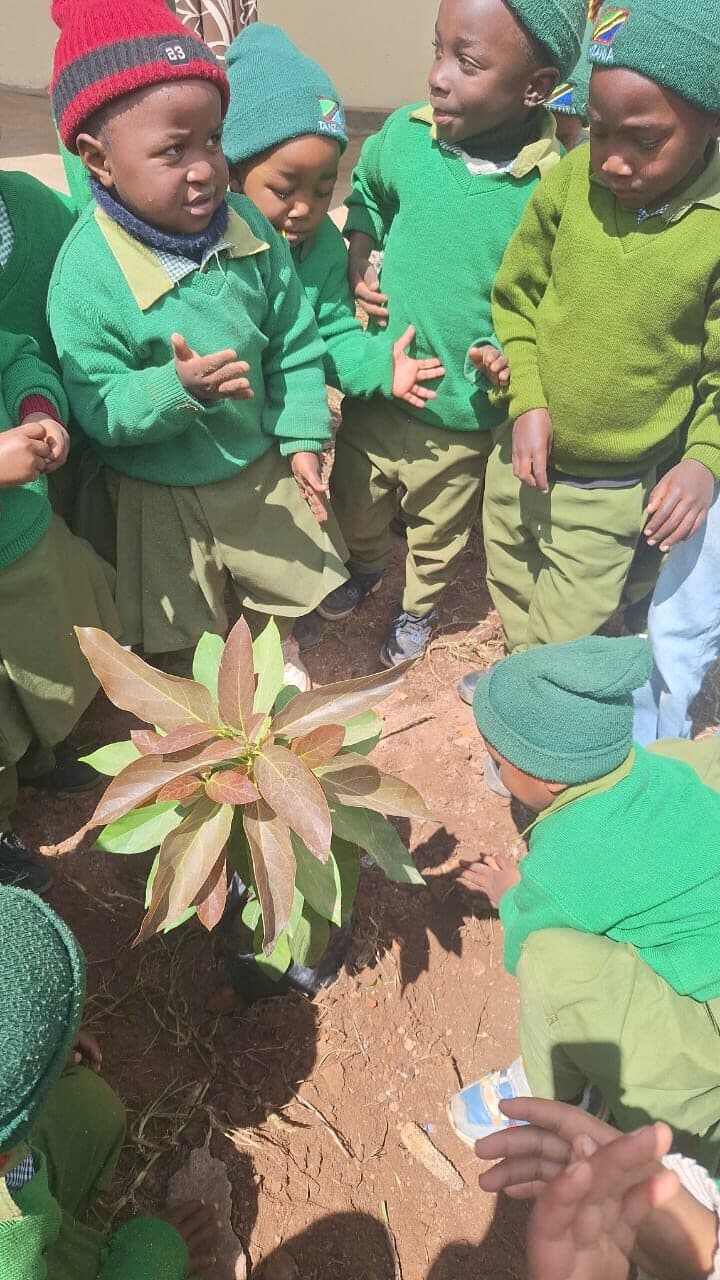
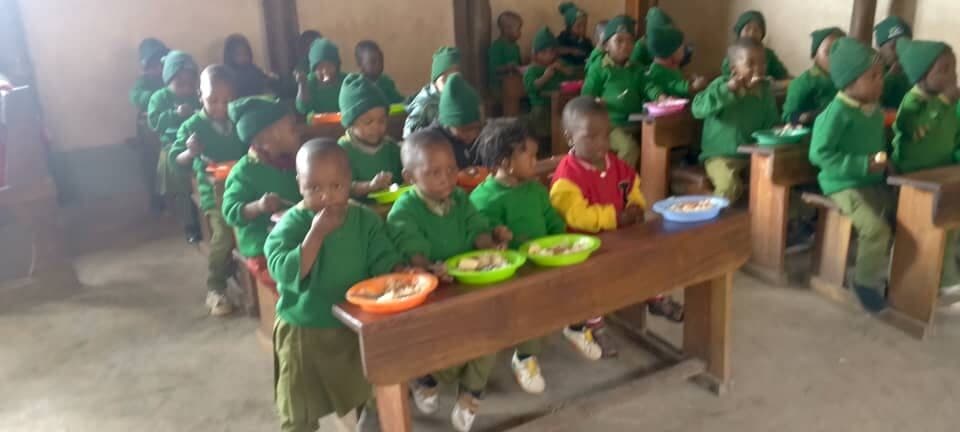
The classes are not still ones. Between the mat work there is running, rolling and games across the floor mats; there are seedlings to carry out and plant in the ground outside; there is a meal to sit down to together. The teaching folds into the ordinary shape of the day rather than sitting apart from it.
The numbers after ten months
Thirty pupils from Honda have now graduated into the country's primary school system, replaced by another 27 students — dropping overall enrolment by three, to 92 after ten months. That is the shape a working pilot makes: children moving on into formal schooling, and new ones arriving to take their places.
- 95 children attending Honda within weeks of the pilot's founding.
- 30 Honda pupils graduated into the national primary school system.
- 27 new students enrolled in their place, leaving Honda at 92.
- 185 pupils engaged across all three Tanzanian pilots.
These initiatives continue to attract significant interest from local and federal branches of the Tanzanian government. Further pilot projects are planned as Sankofa continues its outreach to underserved rural communities across Tanzania.
More from the pilot network
Sadangi
Sadangi is a tribal village in India, where the Aashraa Foundation first built trust through weekly nutrition kits and quarterly health camps before opening learning centres — a model of community-first engagement now delivering STREAM education to tribal learners.
Echipparra Tribal School
A Sankofa Club pilot run by engineering students at Christ College of Engineering, Thrissur, under IEEE Smart Village — around 50 student-written course plans built from what is at hand only, delivered to 106 tribal schoolchildren in classes 1 to 4.
Najjanankumbi
A creative arts–centred pilot in Kampala where learners explore banana plant fibers and local materials to craft ropes, mats and more — demonstrating how culturally grounded, hands-on learning fosters inclusion and innovation.