Banana fibre, a ball, and every small response that counted
Forty minutes in a school compound with banana fibre, a ball and a group of learners with high support needs — and a lasting lesson about what participation really looks like.
Special needs centre, Greater Kampala, Uganda
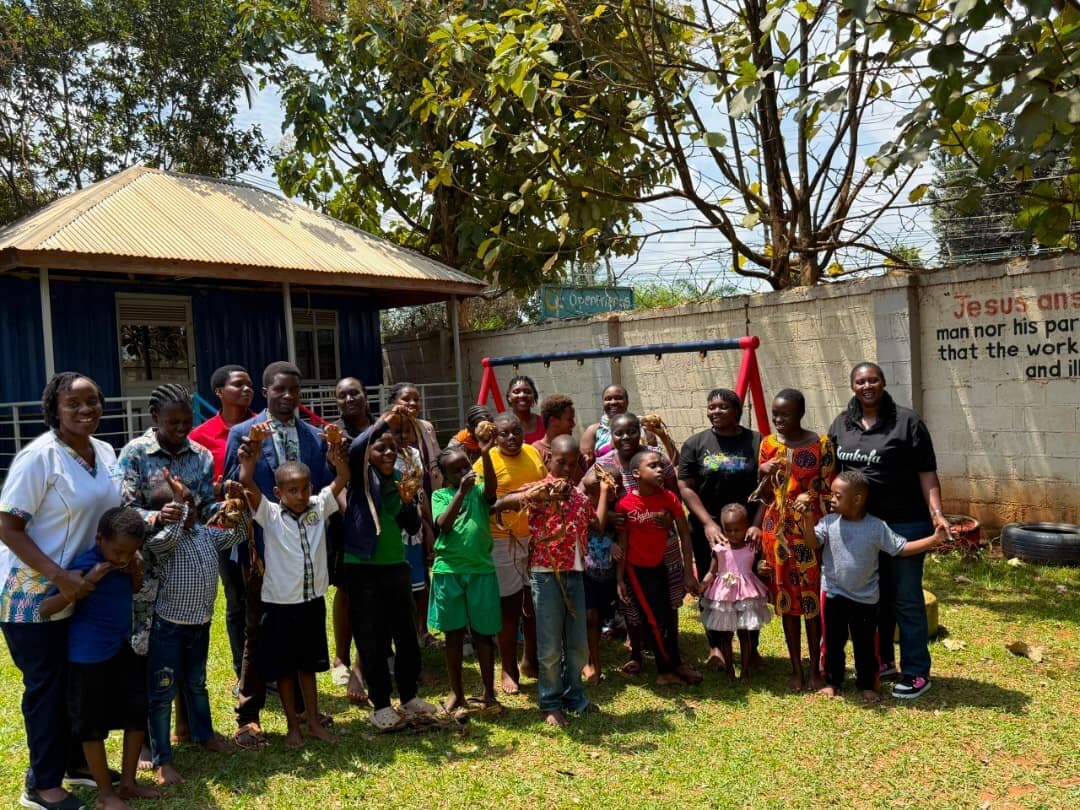
- Activity
- Banana fibre art and play
- Duration
- 40 minutes
- Setting
- Outdoors, school compound
- Participants
- Learners with high support needs, teachers, school leaders
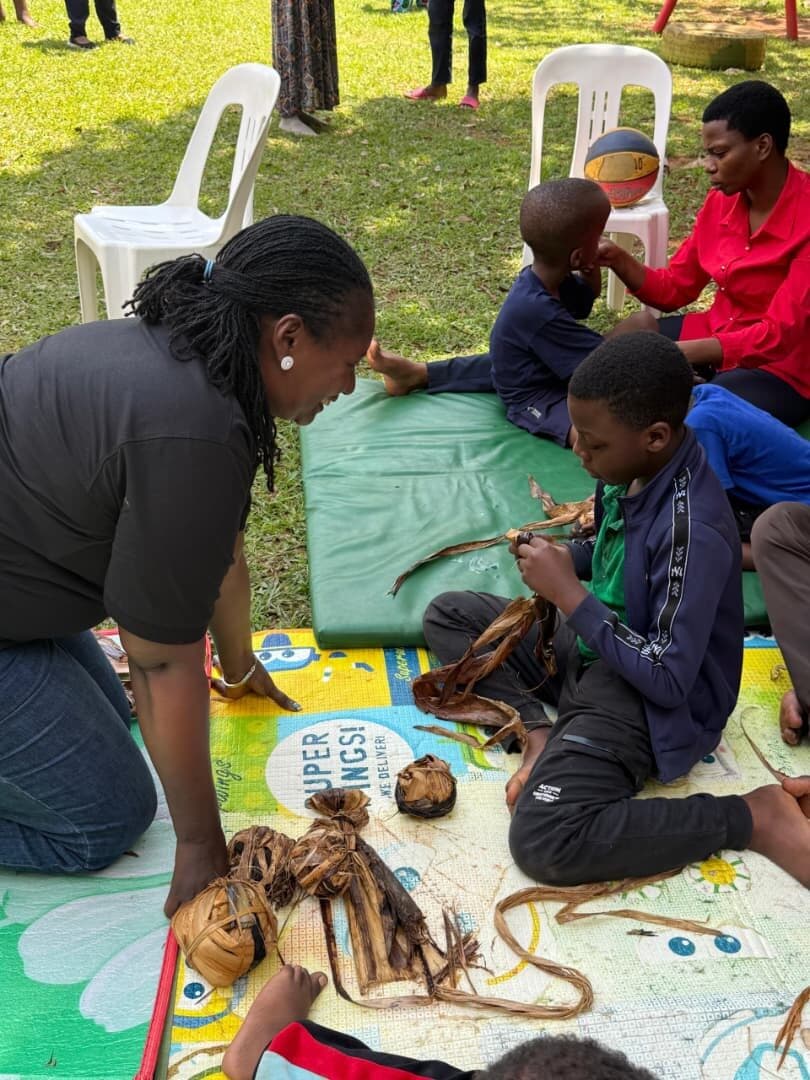
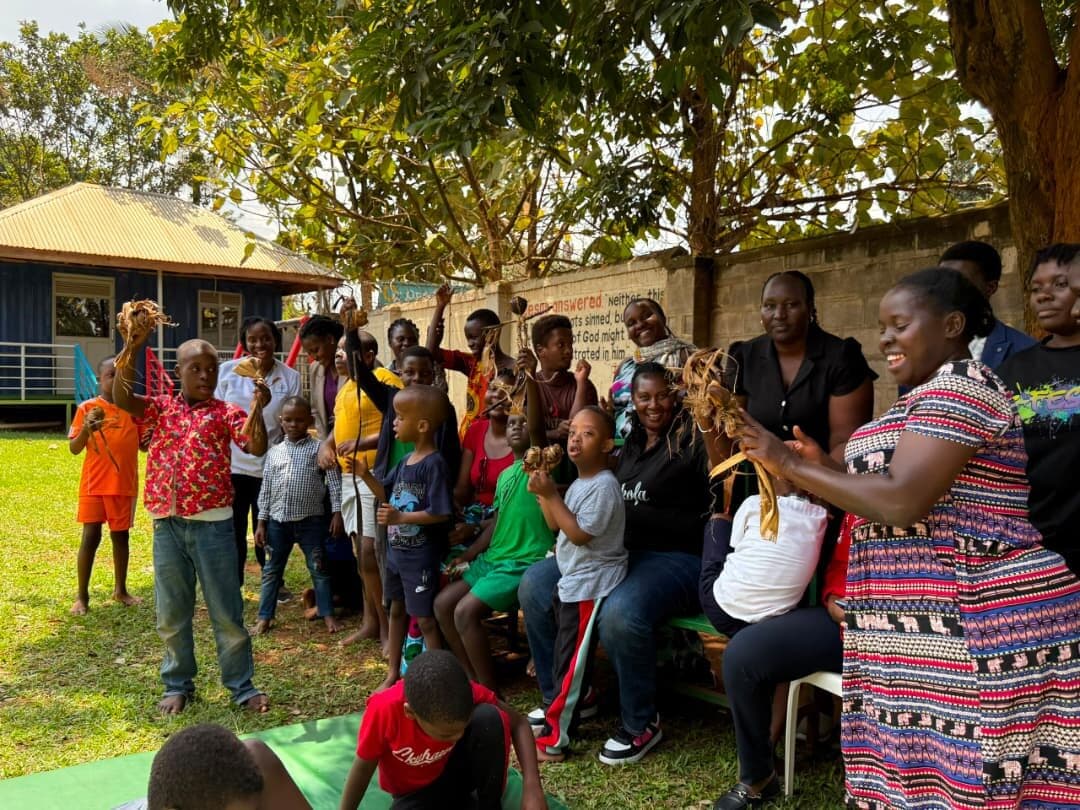
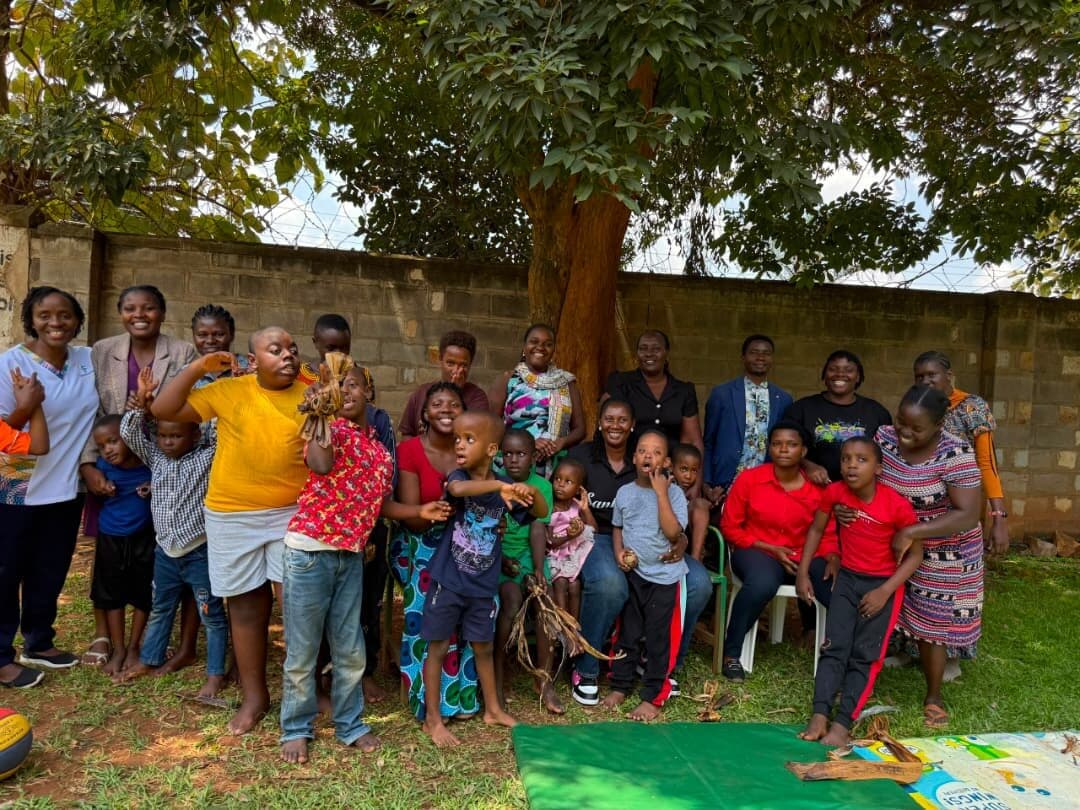
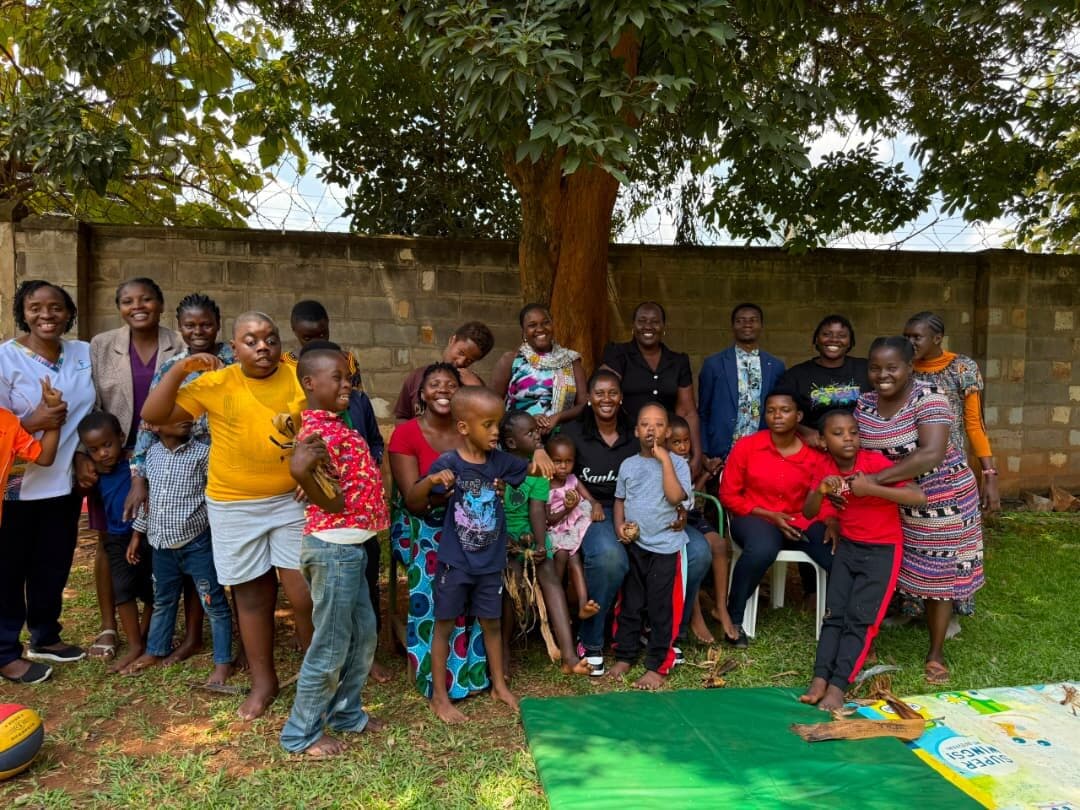
We held the session outside, in the school compound rather than a classroom. The open ground gave the learners room to move and explore, and made the whole thing feel less restrictive than four walls and a timetable. We began by thanking the school leaders and teachers for welcoming us and making time.
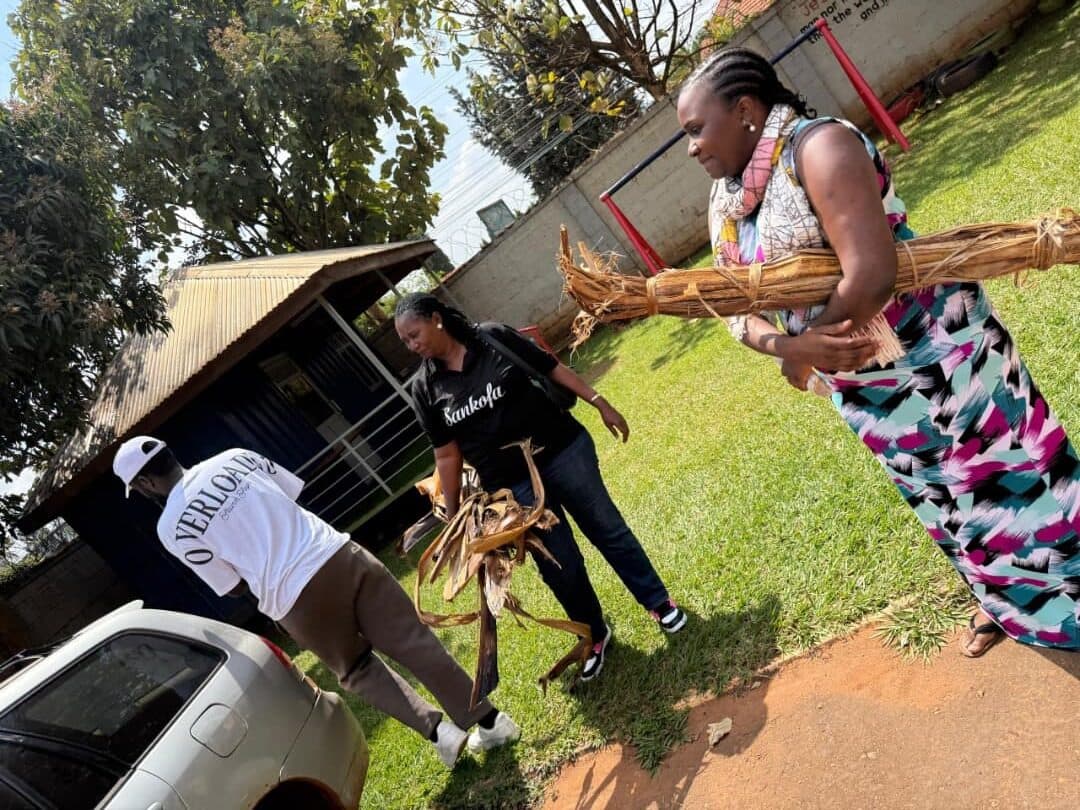
The activity was rooted in the Sankofa philosophy: look to your roots, value what comes from your own community, and use that knowledge to shape what comes next. Here, the banana fibre was never just an art material. It was a familiar, natural resource from the learners' own environment. Bringing a local material into the learning space meant children could learn through something accessible, natural and already part of everyday life.
Meeting learners where they were
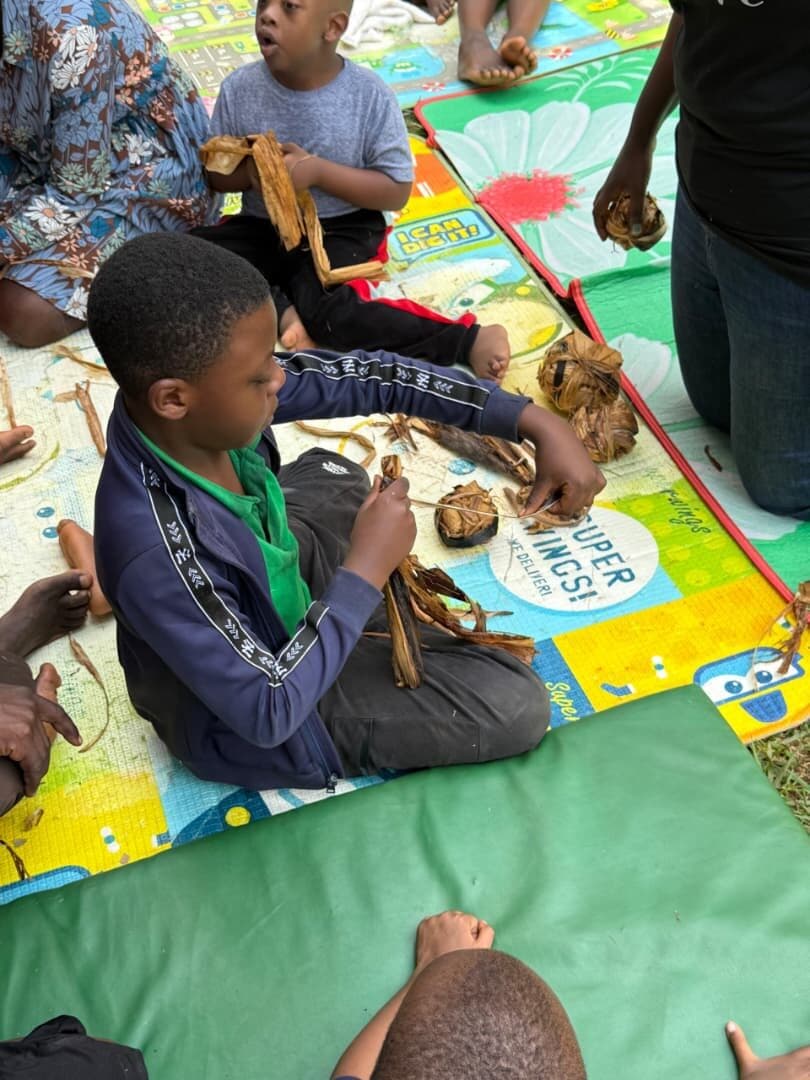
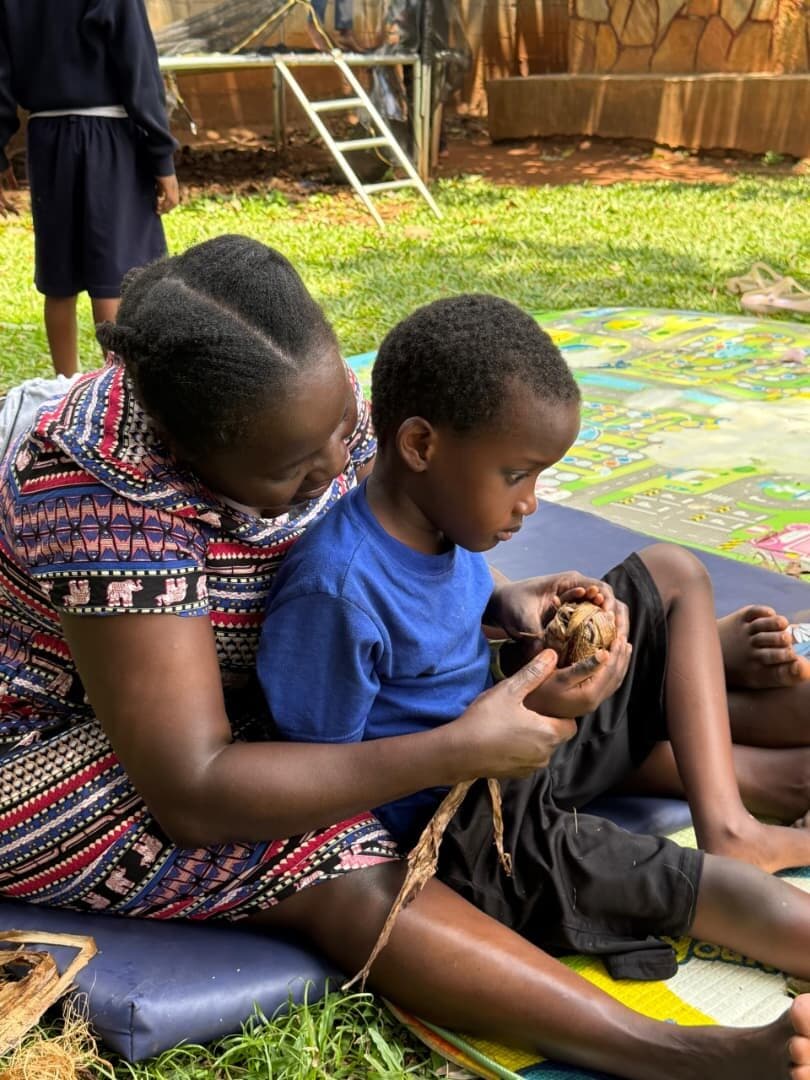
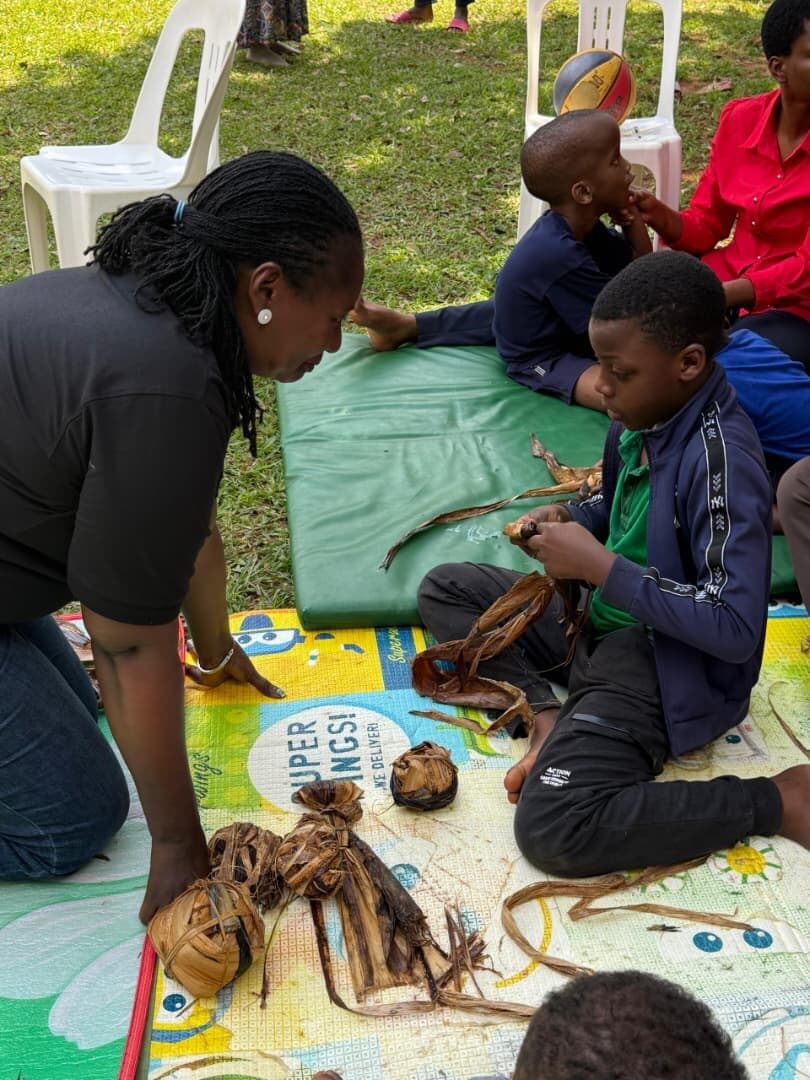
We introduced the fibre and then let the learners explore it freely — look at it, touch it, hold it, smell it if they wanted to. Every learner responded differently. Some were curious and dived straight in. Others preferred to watch, and some did not want to take part in the art activity at all.
Many found it hard to hold attention for long. Rather than treat that as a failure, we adapted. We stopped expecting every learner to finish a particular piece of artwork and focused instead on participation in all its forms. A learner could touch, smell, hold, arrange, observe, choose or create — and every one of those responses was accepted and valued.
“Limited attention does not mean limited learning.”
That reflects something central to Sankofa: learning does not have to follow one fixed path. We can draw on what is already around us — nature, local materials, community knowledge, play, and children's own ways of responding. The banana fibre became a bridge between the learners, their environment, their creativity and their learning.
When the ball came out
After the art activity we brought out a ball, and participation jumped. Learners threw it, kicked it, and played alongside their teachers. The shift from art to ball play opened up movement, communication, interaction, laughter and connection — and drew in several learners who had shown little interest in the fibre.
What the learners kept
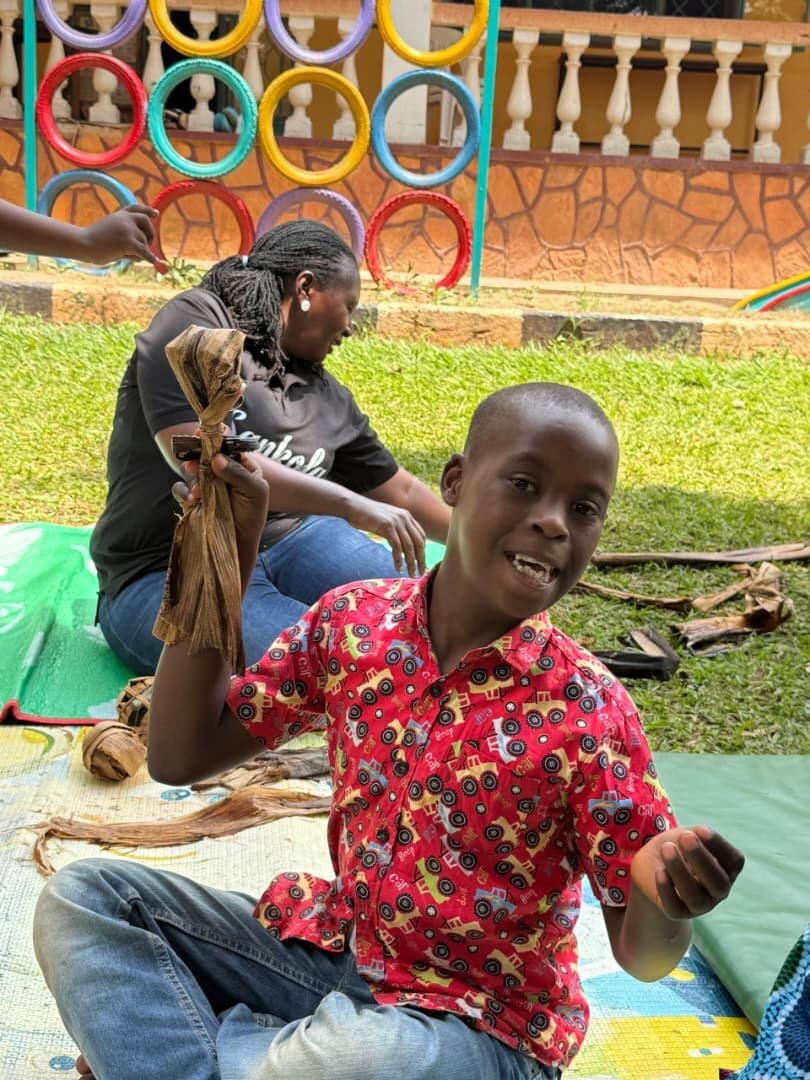
One of the most meaningful observations came at the end: some learners chose to keep their artwork, tucking it into their bags to take home. Several of them had not appeared to concentrate for long during the activity — yet their decision to keep what they had made suggested the experience carried real personal meaning. Children's responses are not always visible in the moment.
The teachers were enthusiastic too. They seemed to enjoy a different way of engaging with their learners — through natural materials, creativity, movement and play. The session became a learning experience for the adults as much as for the children, and a reminder that a great deal is already available within the community, without depending entirely on conventional classroom materials.
Reflections
This session deepened our understanding of what genuine participation can look like for learners with high support needs. Some took part for only a few moments. Some explored the fibre through smell or touch. Some watched. Some opted out of the art entirely. Each of those was still a meaningful form of engagement.
The learners' happiness mattered most. Even when they could not stay focused, many were relaxed and joyful — which challenged our idea of what success in an educational activity should look like. Learning should not be measured only by whether a child sits still, follows instructions, completes a task or produces a “correct” piece of work.
“Success is measured by engagement, enjoyment, choice, connection, communication, exploration and growth — not simply by task completion.”
Sankofa teaches us to look back so that we can move forward. Banana fibre, a simple resource from the local environment, became a tool for inclusive learning — traditional, locally available knowledge treated not as something belonging only to the past, but as a foundation for new learning experiences for children with diverse needs.
The pathway we are carrying forward
- See
- Touch
- Choose
- Try
- Create
- Play
- Connect
- Celebrate
What we will change next time
- Shorter activity periods, with clear stopping points.
- More movement breaks built into the session.
- Additional sensory opportunities alongside the making.
- More time set aside for free play.
- Greater freedom for learners to choose how they take part — recognising that not every child responds to the same material in the same way.
Ultimately, the session reminded us that every small response counts. A learner may smell the material, touch it briefly, watch others, arrange a piece of fibre, kick a ball, laugh, speak to a teacher, or take artwork home. Each of those can be a meaningful sign of participation.
That is the heart of a Sankofa-informed approach: start with what the child knows, what the community has and what the environment offers; make space for every learner to take part; and use those roots to imagine new possibilities for learning. In this activity the roots were not only in the banana fibre — they were in the learners, the community, the teachers, the environment, and the belief that every child has something valuable to contribute.
More from the pilot network
Honda, Udilo Mufindi & Mdabulo
Our founding pilots, now three sites run with the Rural Development Organization. From a chance meeting in October 2025 to 185 pupils learning with the resources already at hand — and thirty children already graduated into the national primary school system.
Sadangi
Sadangi is a tribal village in India, where the Aashraa Foundation first built trust through weekly nutrition kits and quarterly health camps before opening learning centres — a model of community-first engagement now delivering STREAM education to tribal learners.
Echipparra Tribal School
A Sankofa Club pilot run by engineering students at Christ College of Engineering, Thrissur, under IEEE Smart Village — around 50 student-written course plans built from what is at hand only, delivered to 106 tribal schoolchildren in classes 1 to 4.